Everything You Need to Know About Wood Pellets Pellet for Home Heating


Heating your home efficiently while keeping costs under control has become more important than ever. With rising energy prices and growing environmental awareness, many homeowners are switching to smarter alternatives. One of the most practical options available today is wood pellet fuel.
This modern heating solution offers consistent performance, cleaner combustion, and long-term savings. Unlike traditional fuels such as gas or electricity, pellet-based systems are designed to deliver reliable heat with lower environmental impact. If you are considering upgrading your heating system, understanding how this fuel works can help you make a better decision.
What Is a Wood Pellet
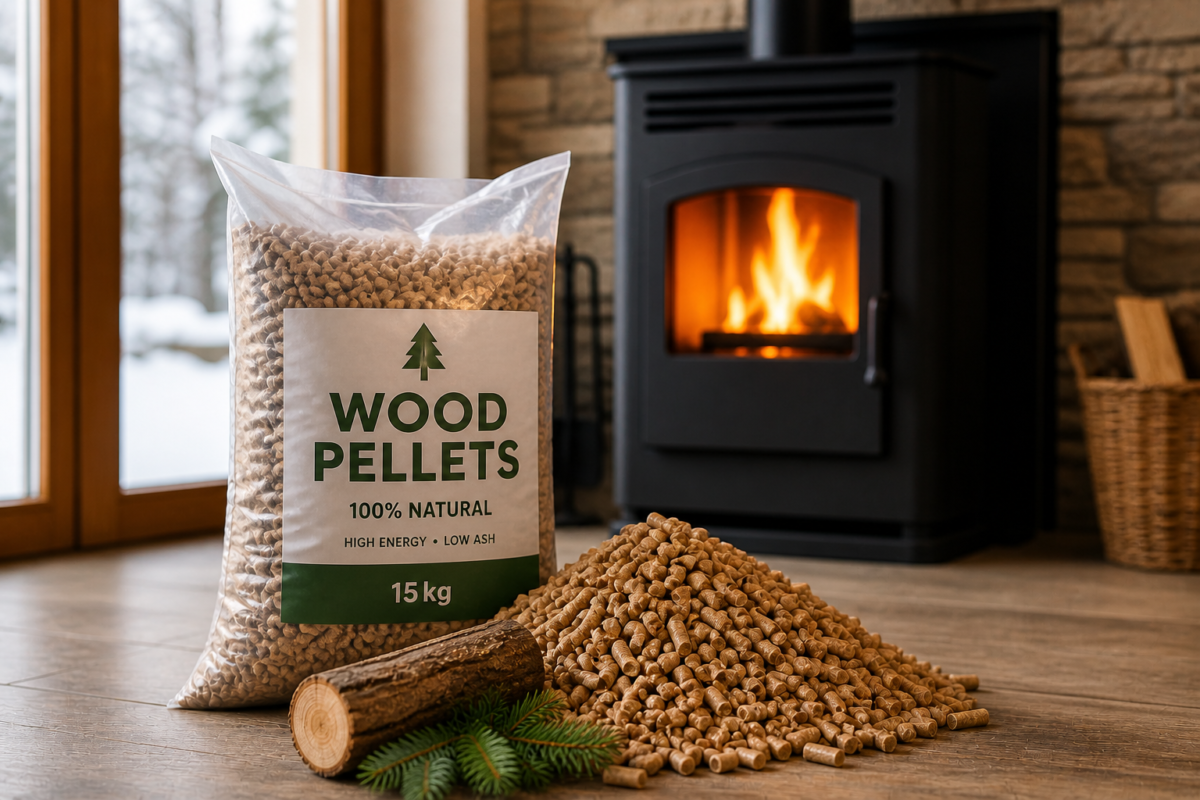
A wood pellet is a small, compressed piece of biomass made from natural wood waste such as sawdust and wood shavings. These materials are processed under high pressure without chemicals, creating a dense and uniform fuel source.
This type of fuel is commonly used in pellet stoves, boilers, and central heating systems. Because of its consistent size and low moisture content, it burns more efficiently than traditional firewood.
Key characteristics include low moisture levels, high energy density, minimal ash production, and easy handling. These features make it an ideal choice for modern heating systems that require efficiency and reliability.
How Pellet Heating Systems Work
Pellet heating systems are designed for convenience. They use automated mechanisms to deliver fuel into the combustion chamber, ensuring consistent heat output.
The process begins with storing the fuel in a hopper. The system then feeds it into the burner, where it ignites and produces heat. This heat is distributed throughout the home using air or water-based systems.
Because the process is automated, it requires less manual effort compared to traditional wood-burning methods. This makes it a practical option for both residential and commercial use.
Benefits of Using Pellet Fuel for Heating
Cost Efficiency
One of the biggest advantages is affordability. Compared to electricity and gas, this fuel is often more cost-effective, especially when purchased in bulk.
Eco-Friendly Solution
Pellet fuel is made from recycled wood materials, making it a renewable energy source. It produces fewer emissions, helping reduce environmental impact.
High Heating Efficiency
Modern systems can achieve efficiency levels close to 90 percent. This means more heat is generated from less fuel, improving overall performance.
Clean Burning
Unlike traditional firewood, pellets produce very little smoke and ash. This reduces maintenance and improves indoor air quality.
Easy Storage
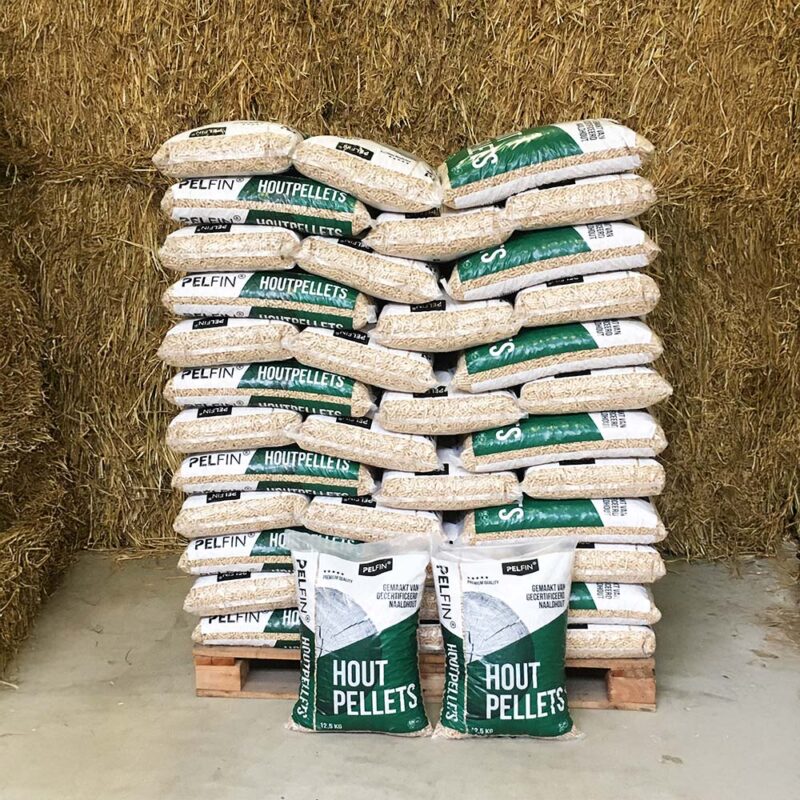
Pellets are compact and come in sealed bags or bulk containers. This makes them easy to store, even in limited spaces.
Pricing and Cost Factors
The price of pellet fuel can vary depending on several factors. These include quality, packaging, and quantity.
Premium-grade products tend to cost more but provide better efficiency and lower ash content. Bulk purchases usually offer better value compared to small bags.
Other factors that influence cost include delivery distance and supplier reliability. Choosing a trusted supplier ensures consistent quality and long-term savings.
Types of Pellet Fuel
Premium Grade
This type offers low ash content and high heat output. It is best suited for home heating systems where efficiency is important.
Standard Grade
Standard options are more affordable but may produce slightly more ash. They are suitable for less demanding systems.
Industrial Grade
These are used in large-scale operations. They are cost-effective but not ideal for residential use.
For most homeowners, premium-grade wood pellet fuel provides the best balance between performance and maintenance.
How to Choose the Best Option
Selecting the right wood pellet is essential for achieving the best results.
Look for certified products that meet recognized standards such as ENplus or DINplus. Certification ensures consistent quality and performance.
Check the ash content, as lower levels reduce cleaning and improve efficiency. Moisture content is also important, as dry wood pellet burn more effectively.
Another factor to consider is the calorific value, which determines how much heat the fuel can produce. Higher values indicate better performance.
Finally, always choose a reliable supplier to ensure consistent quality and proper packaging.
Storage Tips for Better Performance
Proper storage plays a key role in maintaining quality.
Keep pellets in a dry and well-ventilated area. Avoid exposure to moisture, as it can damage the fuel and reduce efficiency.
Store them in sealed bags or containers to prevent contamination. If you plan to store them for a longer period, ensure the storage area is protected from humidity.
Good storage practices help maintain performance and extend the lifespan of your heating system.
Comparison With Other Heating Options
When compared to traditional methods, pellet-based heating offers several advantages.
Compared to gas, it is more environmentally friendly and often cheaper in the long run. Compared to electricity, it provides better efficiency for heating larger spaces.
When compared to firewood, pellets are cleaner, easier to handle, and more consistent in performance.
These advantages make pellet heating a well-balanced solution for modern households.
Are Pellet Heating Systems Worth It
For most homeowners, the answer is yes. These systems provide reliable heat, reduce energy costs, and support sustainable living.
Although the initial investment for installation may be higher, the long-term savings and efficiency make it a worthwhile choice.
With proper maintenance and quality fuel, these systems can deliver consistent performance for many years.
Common Mistakes to Avoid
Avoid buying low-quality products just to save money, as they can reduce efficiency and increase maintenance.
Do not store wood pellet in damp areas, as moisture can damage them. Regular maintenance of your heating system is also essential to ensure smooth operation.
Another common mistake is ignoring certification standards, which can lead to inconsistent performance.
Being aware of these issues can help you get the most out of your heating system.
Final Thoughts
Wood pellet fuel offers a reliable and efficient way to heat your home. It combines affordability, performance, and environmental benefits, making it a strong alternative to traditional fuels.
With the right choice of product and proper storage, you can enjoy consistent warmth while reducing your energy costs.
Conclusion
Choosing a modern heating solution is an important decision, especially with rising energy costs. Pellet-based systems provide a practical and sustainable option for homeowners looking to improve efficiency and reduce environmental impact.
By understanding how this wood pellet works and selecting high-quality options, you can create a comfortable and cost-effective heating system for your home.


